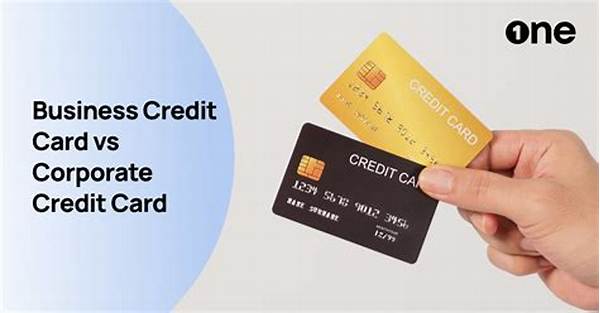
Starting a new business can be both exciting and challenging. One of the essential steps in establishing your startup is managing finances effectively. A business credit card for startups is a vital tool for any emerging business as it provides financial flexibility, builds credit history, and separates personal and business expenses. It is crucial to understand how these cards work, the benefits they offer, and what to look out for when choosing the right one for your startup. By following this guide, you can ensure that you make an informed decision that supports your business’s growth and success.
Understanding the Benefits of a Business Credit Card for Startups
A business credit card for startups is not just a means of spending; it’s a financial instrument designed to support your business’s growth. This tool allows startups to manage cash flow efficiently, especially when dealing with fluctuating income and expenses. It provides access to funds for purchasing inventory, paying suppliers, and handling other operational costs.




Moreover, using a business credit card from the beginning helps in building a solid business credit profile, which is invaluable for future funding opportunities. These cards often come with rewards and perks like cashback, travel points, or discounts on business expenses. As a startup, taking advantage of these rewards can lead to significant savings. By managing a business credit card responsibly, startups can also enjoy spending limits higher than personal cards, which is vital for growth without compromising on current cash reserves.
Choosing the Right Business Credit Card for Startups
1. Interest Rates and Fees: Look for a business credit card for startups with competitive interest rates and low fees. This can help keep costs manageable and savings high.
2. Rewards Programs: Evaluate the rewards programs associated with different cards. Some provide cash back on everyday purchases, while others offer travel rewards beneficial for startups with frequent business trips.
3. Credit Reporting: Ensure that the card issuer reports to business credit bureaus. Building business credit is crucial for accessing larger funding in the future.
4. Spending Limits: Choose a credit card with flexible spending limits tailored to the needs of your startup. This will help in managing big purchases without exhausting your cash flow.
5. Additional Cardholder Benefits: Some business credit cards offer benefits like purchase protection, extended warranties, or insurance, which can be valuable in securing your business’s assets.
Establishing Credit History with a Business Credit Card for Startups
Building a strong credit history is a significant advantage of using a business credit card for startups. By consistently paying your credit card bills on time, you establish a positive credit history which is essential for gaining larger loans or lines of credit in the future. A good credit score can open doors to better interest rates and loan terms, saving your business money in the long run.
It is also useful for startups to keep a close eye on their credit utilization ratio, which is the percentage of credit used compared to the total credit available. Keeping this ratio low is beneficial for maintaining a robust credit score. Startups should consider using their business credit cards for regular expenses, ensuring that payments are made in full to avoid interest, and thereby enhancing their credit profile.
Managing Expenses with a Business Credit Card for Startups
Proper management of expenses is crucial for the growth and sustainability of a startup. A business credit card for startups is an excellent way to streamline expense management. With a clear record of all transactions, it becomes easier to analyze spending patterns and make informed budgeting decisions.
1. Centralized Expense Tracking: All business expenses are recorded in one place, simplifying bookkeeping and reporting to investors or stakeholders.
2. Cash Flow Management: A business credit card offers a revolving line of credit, providing flexibility to manage cash flow effectively, especially during tight financial phases.
3. Expense Categorization: Many cards offer detailed statements and categorizations, helping startups to manage budgets and plan for taxes effortlessly.
4. Fraud Protection: Business credit cards often come with fraud protection features, offering security for transactions and peace of mind for entrepreneurs.
5. Employee Spending Management: Cards allow for issuing separate cards for employees, with spending limits to ensure controlled expenditures.
6. Print Statements: Monthly statements help in reconciling accounts seamlessly, reducing errors in financial records.
7. Budgeting: Businesses can plan their monthly budgets based on tracked expenses, facilitating more strategic financial planning.
8. Tax Preparation: At tax time, having all expenses documented can minimize complications and errors in tax reporting.
9. Cash Back & Rewards: Leveraging rewards programs can lead to savings that directly benefit company budgets.
10. Vendor Discounts: Some credit cards offer discounts on services and products from partner vendors, further enhancing a startup’s buying power.
The Role of Business Credit Card for Startups in Financial Planning
Effective financial planning is key to a startup’s success, and a business credit card for startups plays an integral role in this process. By providing short-term financing options, these cards enable startups to make critical purchases that are pivotal to business operations without having to divert cash flow from other areas.
Furthermore, by analyzing spending reports provided by the credit card issuer, businesses can gain insights into their spending habits and identify potential savings. This level of financial oversight can lead to more disciplined spending and strategic allocation of resources, which is vital in the formative years of a startup. Credit card statements are also invaluable for tax purposes, making year-end financial reporting more efficient and less stressful.
Leveraging Rewards and Perks of Business Credit Card for Startups
Business credit cards often come with rewards and perks that can boost a startup’s financial efficiency. This range from cashback programs to travel rewards, offering entrepreneurs additional financial benefits. Startups can maximize these perks by choosing cards that align best with their business expenses.
Cashback programs, for example, provide a percentage back on purchases, which can accumulate significantly over time, offering a welcome boost to a company’s budget. Meanwhile, travel rewards can reduce costs on business trips, which can be essential for networking and expansion. Understanding and leveraging these rewards can result in considerable savings, thus optimizing business operations and profitability.
Summary of Business Credit Card for Startups
In conclusion, a business credit card for startups is a vital financial tool that can significantly aid a fledgling company’s development. By understanding how to choose the right card and utilize its benefits, startups can enjoy increased financial flexibility, efficient expense management, and improved credit scoring. These advantages collectively contribute to sustained growth and success.
Startup founders must carefully assess their business needs and research available business credit card options to find the one that best aligns with their financial goals. By utilizing this financial instrument wisely, startups can effectively navigate the challenges of their early stages and position themselves for long-term success.